
Contents
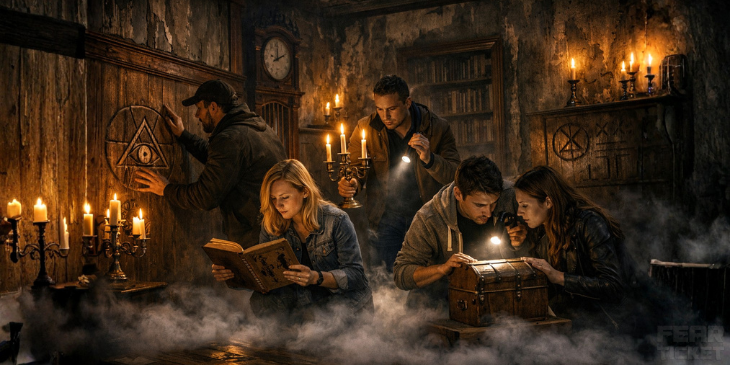
Haunted attraction organizers are always looking for the next big thing to terrify and delight their guests. The market demands fresh and exciting experiences that go beyond the traditional jump scare. A powerful new trend is answering that call: the escape room haunted house hybrid. This innovative format combines the puzzle-solving intensity of an escape room with the atmospheric dread of a haunted house, creating a truly immersive horror experience.
For haunt owners, this trend isn’t just a fleeting fad; it represents the future of haunted attractions. By blending these two popular formats, you can attract a wider audience, increase guest engagement, and boost your escape room revenue. This guide will explore the escape room haunted house hybrid phenomenon, explain why it’s one of the most significant haunted attractions trends, and show you how to leverage it for your own business. We’ll cover everything from concept development to the crucial role of a modern ticketing system.
Escape Room vs Haunted House: A Powerful Combination
To understand the power of the hybrid, we first need to look at what makes each component so successful on its own.
A traditional haunted house is a passive experience. Guests walk through a pre-determined path while actors and special effects work to scare them. The primary emotion is fear, driven by surprise and a lack of control. It’s a thrilling, but often brief, adrenaline rush.
An escape room, on the other hand, is an active experience. Participants are locked in a room and must work together to solve a series of puzzles and challenges to escape before time runs out. The focus is on logic, teamwork, and a sense of accomplishment. While some themed escape rooms use horror elements, the core experience is cerebral rather than purely visceral.
The escape room haunted house hybrid takes the best of both worlds. It places guests inside a terrifying narrative where they are not just observers but active participants. They must solve puzzles and complete tasks to progress through the story, all while being stalked by monsters or haunted by spirits. This creates a deeply interactive haunted house that engages guests on multiple levels.
Why the Haunted Escape Room is a Gamechanger?
Merging these two formats offers significant advantages for haunt organizers. It transforms the guest experience from a simple walkthrough into a memorable adventure, leading to better reviews, stronger word-of-mouth, and increased profits.
Deeper Immersion and Storytelling
The hybrid model allows for more complex and engaging storytelling. Instead of just walking past spooky scenes, guests become characters in the story. Their actions directly influence the outcome. This level of agency makes the experience far more personal and frightening. A horror escape room isn’t just about jump scares; it’s about sustained tension and psychological dread built through narrative and interaction.
Broader Audience Appeal
A traditional haunted house appeals primarily to thrill-seekers. An escape room attracts puzzle-solvers and groups looking for a collaborative activity. The haunted escape room captures both demographics. You can market your attraction to haunt enthusiasts, escape room fans, and even corporate groups looking for a unique team-building exercise. This wider appeal can significantly increase your potential customer base, especially during the Halloween season when demand for Halloween escape room tickets is high.
Increased Perceived Value and Pricing
Because these are more complex and immersive haunted attractions, you can command higher ticket prices. Guests are paying for a longer, more involved experience. When comparing haunted attraction ticket prices, a 60-minute interactive adventure feels more substantial than a 15-minute walkthrough. This allows you to increase your revenue per guest without necessarily needing to increase your overall visitor count.
Enhanced Replay ability
While a traditional haunt can be enjoyed multiple times, the scares become predictable. A well-designed escape room haunted house hybrid can have branching narratives, different puzzles, or multiple endings. This encourages repeat visits from guests who want to experience a different outcome or try to beat their previous time. This built-in replay ability is a powerful tool for haunted house marketing.
Building Your Interactive Haunted House Experience
Creating a successful hybrid attraction requires careful planning. It’s more than just putting a few puzzles in a dark room. The integration of scare elements and interactive challenges must be seamless.
1. Develop a Compelling Theme and Narrative
Your story is the foundation. Every puzzle, every scare, and every piece of set design should serve the narrative. Are guests’ paranormal investigators trying to cleanse a house? Are they captives trying to escape a serial killer’s lair? Your theme will guide all creative decisions. Popular themes for themed escape rooms horror include abandoned asylums, cursed tombs, and zombie outbreaks.
2. Design Integrated Puzzles
The puzzles should feel like a natural part of the story, not just random brain teasers. For example, instead of a simple number lock, guests might have to decipher a ghost’s cryptic message on a foggy mirror or assemble a protective amulet to ward off a demon. The challenges should drive the narrative forward, making guests feel like they are truly progressing through the story.
3. Balance Puzzles and Scares
Finding the right balance is key. Too many difficult puzzles can frustrate guests and pull them out of the horror mindset. Too many scares can prevent them from being able to focus on solving the puzzles. The goal is to create a rhythm of tension and release. A moment of intense fear might be followed by a period where guests must regroup and focus on a task, all while the threat of another scare looms.
4. Focus on Immersive Environments
Set design is crucial for creating immersive horror experiences. The environment should be detailed and believable. Use lighting, sound design, and even smell to build atmosphere. The more guests feel like they are truly in the location, the more effective the scares and the more engaging the puzzles will be.
The Secret Weapon: Your Ticketing and Booking System
An innovative attraction needs an equally innovative operational backbone. Your choice of ticketing software is one of the most critical decisions you will make. A clunky, outdated system can create friction for customers and logistical nightmares for you. A modern online ticketing system for escape rooms and haunted houses is essential for success.
Managing a haunted escape room presents unique challenges compared to a general admission haunt. You are not just selling tickets; you are managing timed slots, group sizes, and complex schedules. This is where specialized escape room ticketing software becomes invaluable.
Why a Standard Ticketing System Isn't Enough?
A basic ticketing platform might handle simple haunted house online ticket sales, but it will fall short when managing a hybrid attraction. You need a system designed for appointment-based businesses.
Imagine trying to manage 10 different time slots every hour, each for a group of up to 8 people, using a system built for selling concert tickets. It would be a disaster. You need a solution that automates scheduling, prevents double bookings, and provides a smooth experience for both you and your customers.
Essential Ticketing Features for Your Hybrid Haunt
When evaluating haunted house ticketing software or escape room ticketing software, look for these critical ticketing features:
- Real-Time Booking Calendar: Customers should be able to see available time slots and book their haunted escape room tickets instantly. The system must update in real time to prevent overbooking. This is the core of any effective haunted attraction ticket booking process.
- Capacity Management: Your system needs to let you set the minimum and maximum number of players per game. This is crucial for managing the guest experience and ensuring puzzles are solvable by the group size.
- Automated Communication: The software should automatically send confirmation emails, reminders, and even pre-game instructions to your guests. This reduces no-shows and administrative workload.
- Flexible Pricing Options: You need the ability to set different prices for weekdays vs. weekends, peak hours, or special events. Good software allows for dynamic haunted attraction ticket prices to maximize revenue.
- Waiver Management: Integrated digital waivers are a must. Guests can sign online before they arrive, speeding up the check-in process and keeping your operations running smoothly.
- Point of Sale (POS) Integration: While most sales will happen online, you still need to handle walk-ins and Box office offline ticket sales. Your booking system should have a POS component that syncs with your online calendar.
- Efficient Check-in Process: On the day of the event, speed is essential. A system with ticket scanning software for haunted houses allows you to scan a QR code on a guest’s phone and check them in instantly. This keeps queues short and maintains the immersive experience.
How Ticketing Software Drives Marketing and Promotions?
Your ticketing software is also a powerful haunted house marketing tool. A modern ticketing platform provides features that help you sell more tickets and build customer loyalty.
- Gift Vouchers and Promo Codes: Easily create and manage promotions to drive sales during slow periods or for special events. Escape room promotions, such as “Weekday Fright Night” discounts, can be a great way to fill your schedule.
- Customer Data Collection: Your booking system gathers valuable customer information (with their consent). You can use this data for targeted email marketing, inviting past guests back for a new experience or a seasonal event.
- Integration with Other Tools: Look for software that integrates with your email marketing platform, social media channels, and analytics tools. This allows you to track the effectiveness of your marketing campaigns and understand where your customers are coming from.
A robust online ticketing system for escape rooms and haunts does more than just sell tickets. It streamlines your operations, enhances the customer experience from the very first click, and provides the tools you need to effectively market your attraction. It is the engine that powers your haunted house online ticket sales and ensures your entire business runs efficiently.
Marketing Your Escape Room Haunted House Hybrid
Your marketing strategy needs to highlight what makes your attraction unique. Focus your messaging on the interactive and immersive nature of the experience.
- Target Both Audiences: Run separate ad campaigns targeting escape room enthusiasts and haunted house fans. For escape room players, emphasize the challenging puzzles and unique theme. For haunt fans, highlight the intense scares and immersive story.
- Use Video Content: A well-produced trailer is your most powerful marketing asset. Show snippets of the environment, hint at the puzzles, and capture genuine reactions from players. A video can convey the atmosphere of your horror escape room in a way that photos cannot.
- Leverage User-Generated Content: Encourage guests to post about their experience on social media. Set up a photo op area at the end of the attraction with your branding and a unique hashtag. Positive reviews and social media marketing are incredibly effective.
- Collaborate with Influencers: Invite local horror or gaming influencers to try your attraction for free in exchange for a review or social media coverage. Their endorsement can introduce your interactive haunted house to a large and relevant audience.
- Run Targeted Promotions: Use your ticketing software to create special offers. Run a promotion on Halloween escape room tickets early in the season to generate buzz. Offer a discount for booking multiple rooms or for returning customers. Effective escape room promotions can significantly boost your bookings.
The Interactive Future
The entertainment landscape is shifting. Modern audiences, raised on video games and interactive media, crave experiences that put them in control. They don’t just want to watch a story; they want to be a part of it. The escape room haunted house hybrid perfectly meets this demand.
By embracing this trend, you are not just updating your attraction; you are future-proofing your business. You are creating a more engaging, memorable, and marketable product that stands out in a crowded marketplace. From the initial concept to the final scare, and from the first marketing email to the final ticket scan, every element must work together.
Investing in a compelling concept, immersive design, and a powerful booking system is the key to unlocking the full potential of this exciting new format. The rise of the haunted escape room is more than just a trend; it’s an evolution in live entertainment and a massive opportunity for haunted attraction organizers ready to innovate.